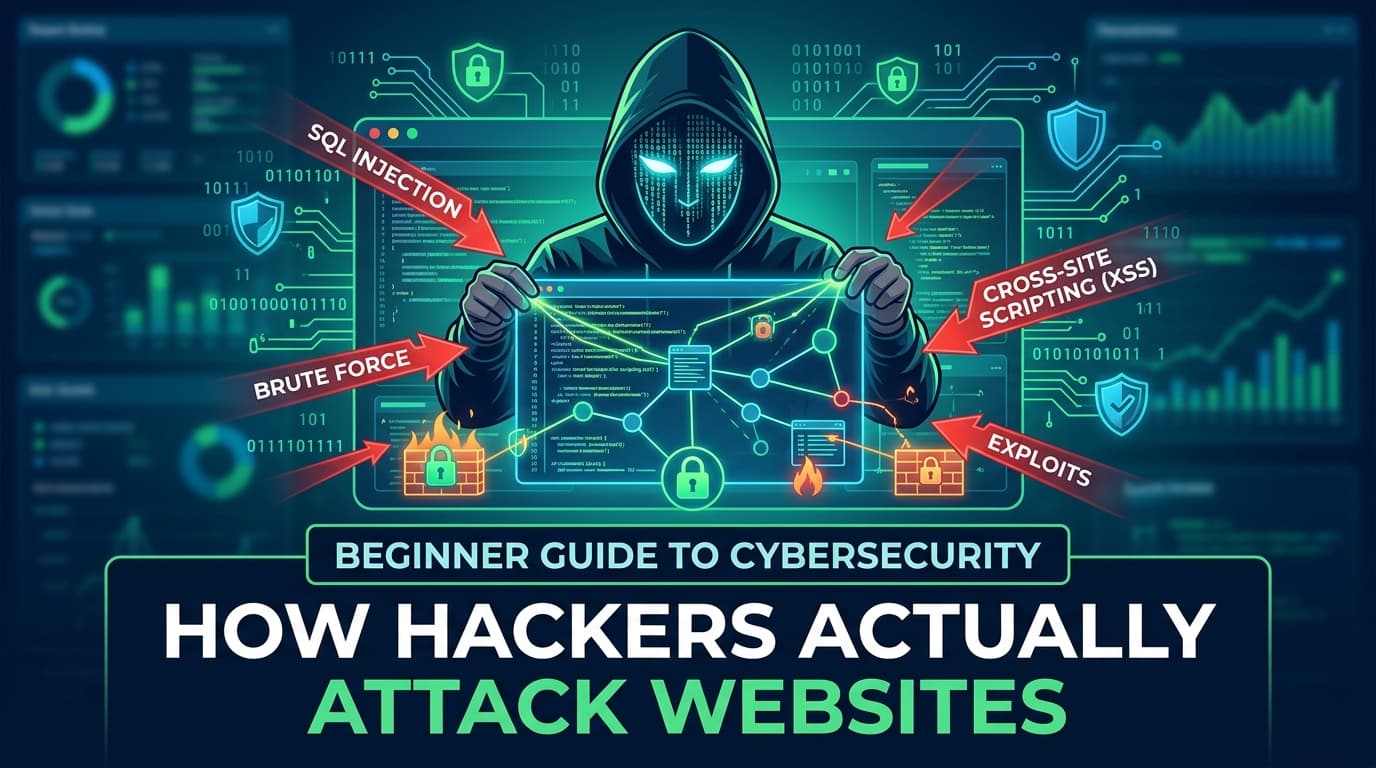
Beginner Guide to Cybersecurity: How Hackers Actually Attack Websites
You don't need to be a hacker to think like one. Understanding how attacks work is the first step to building anything that lasts on the web.
read article
You don't need to be a hacker to think like one. Understanding how attacks work is the first step to building anything that lasts on the web.
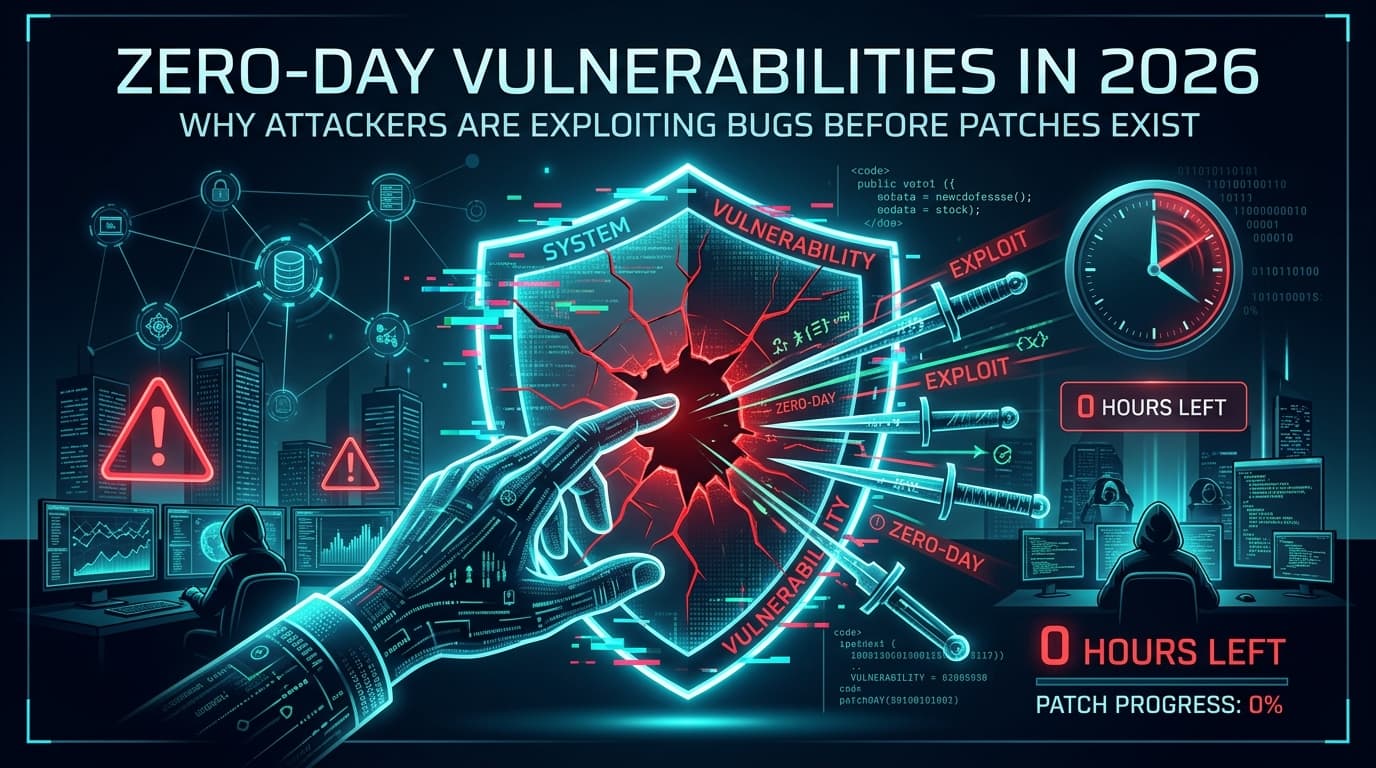
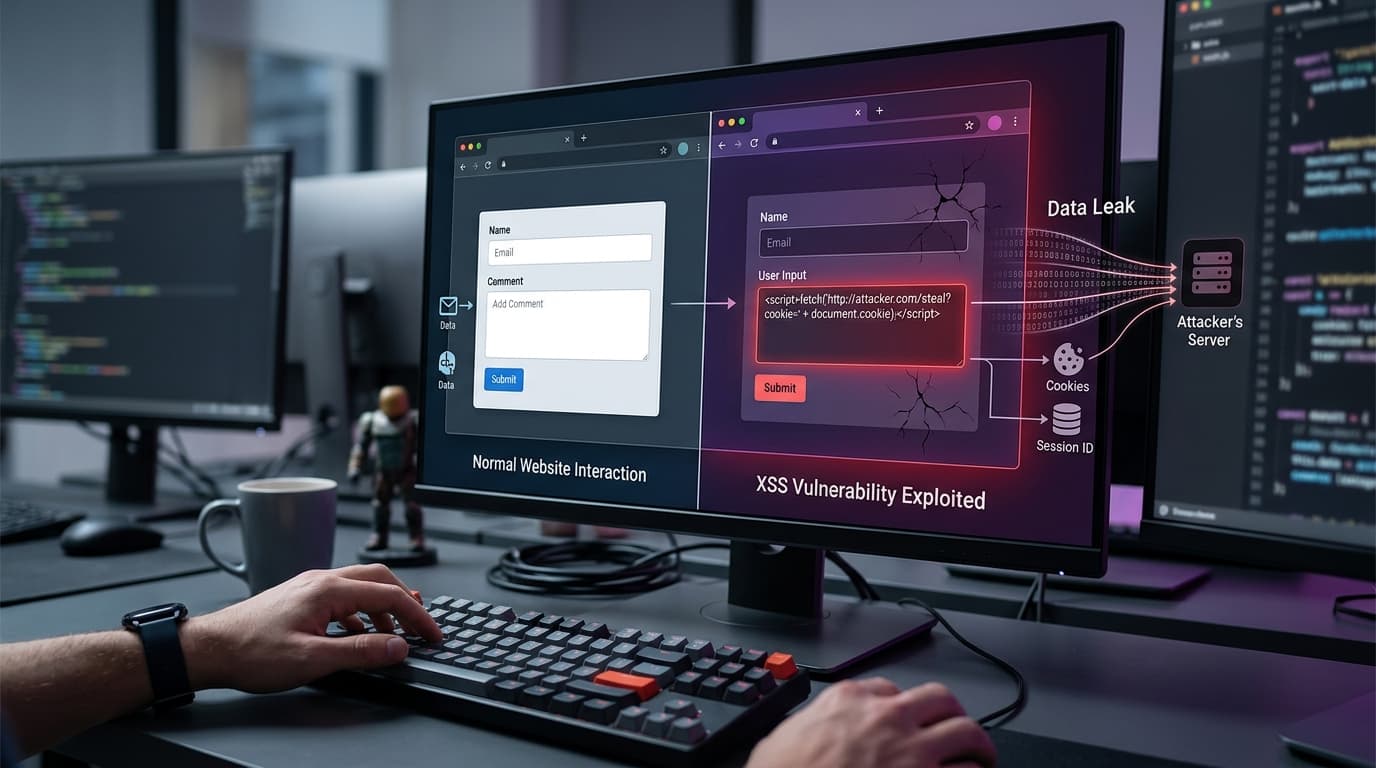
You don't have to break into a server to steal from it. Sometimes, you just have to make the server say what you want — and let the browser do the rest.
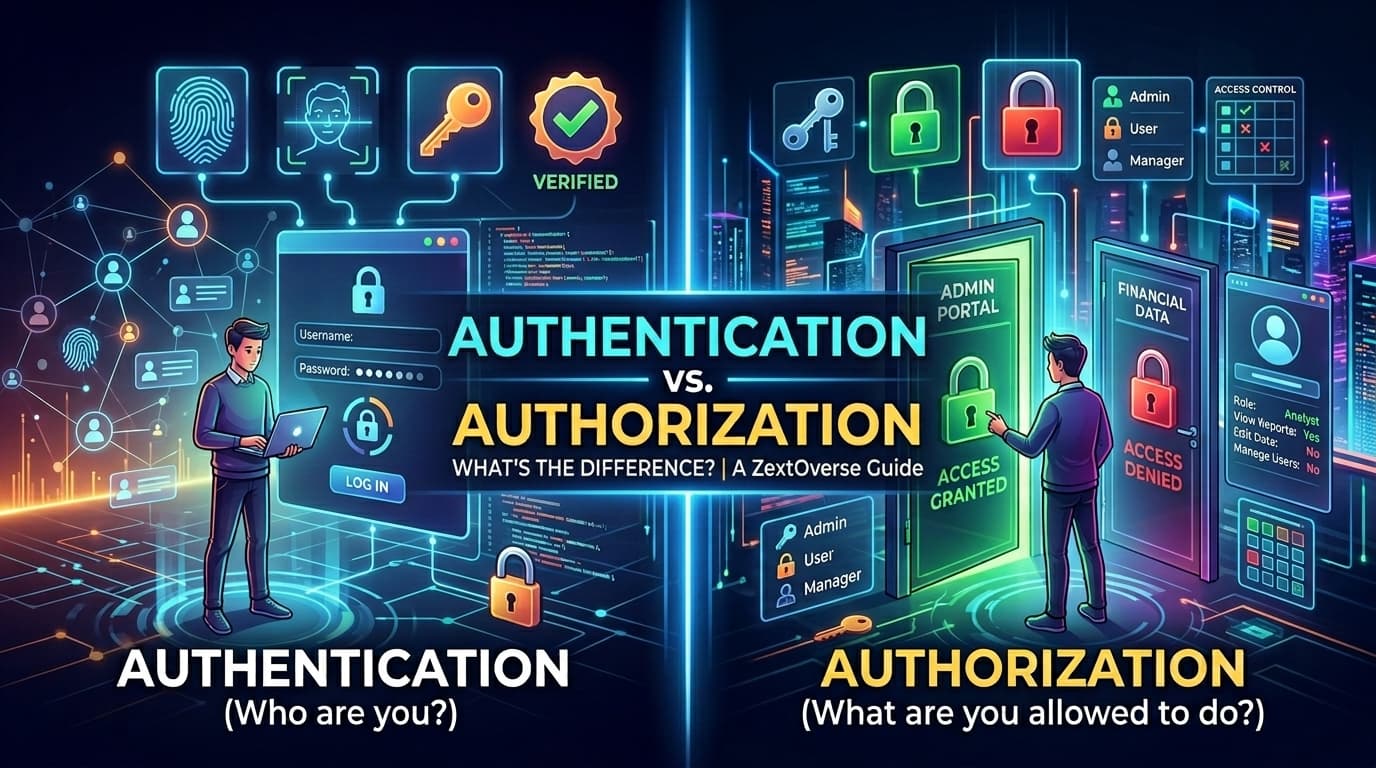
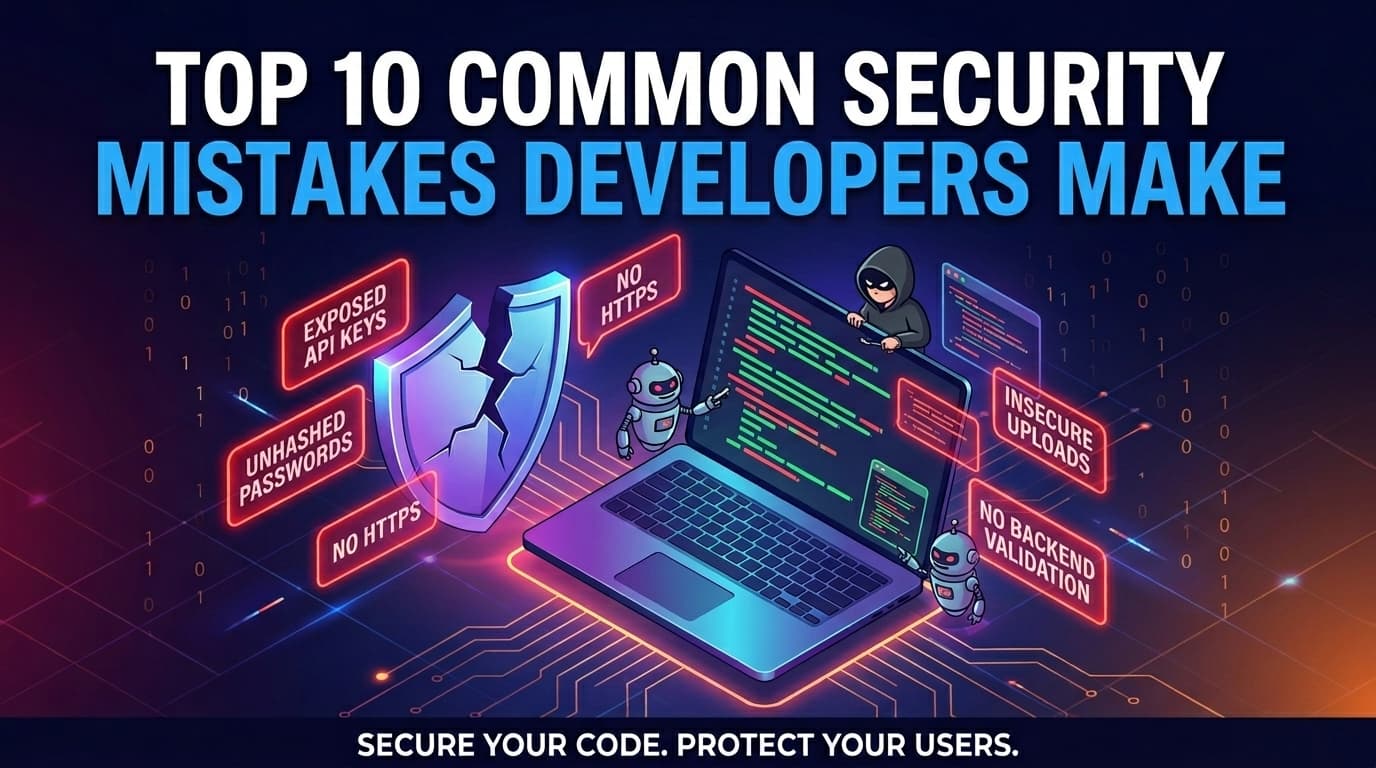
Security isn't a feature you add at the end. It's a habit you build from the start — and these are the habits most developers skip.
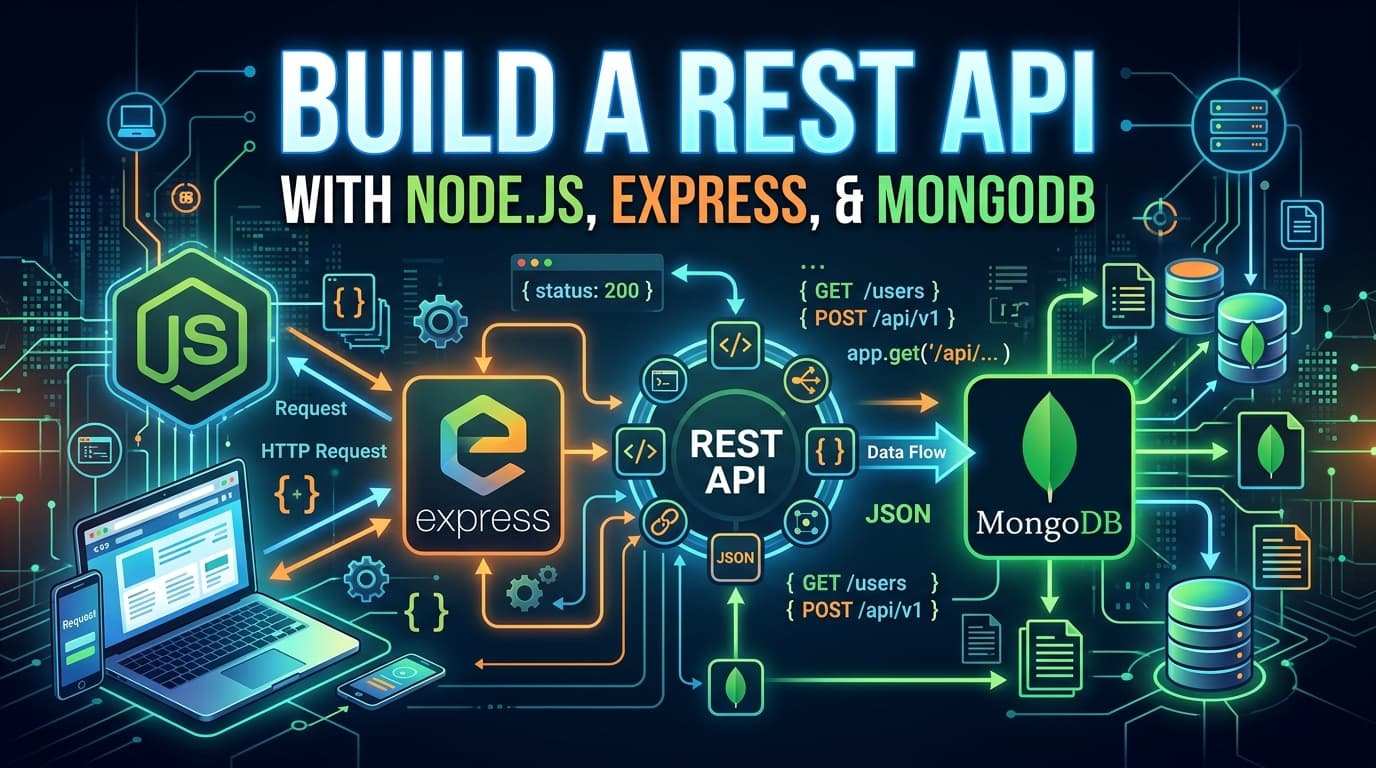
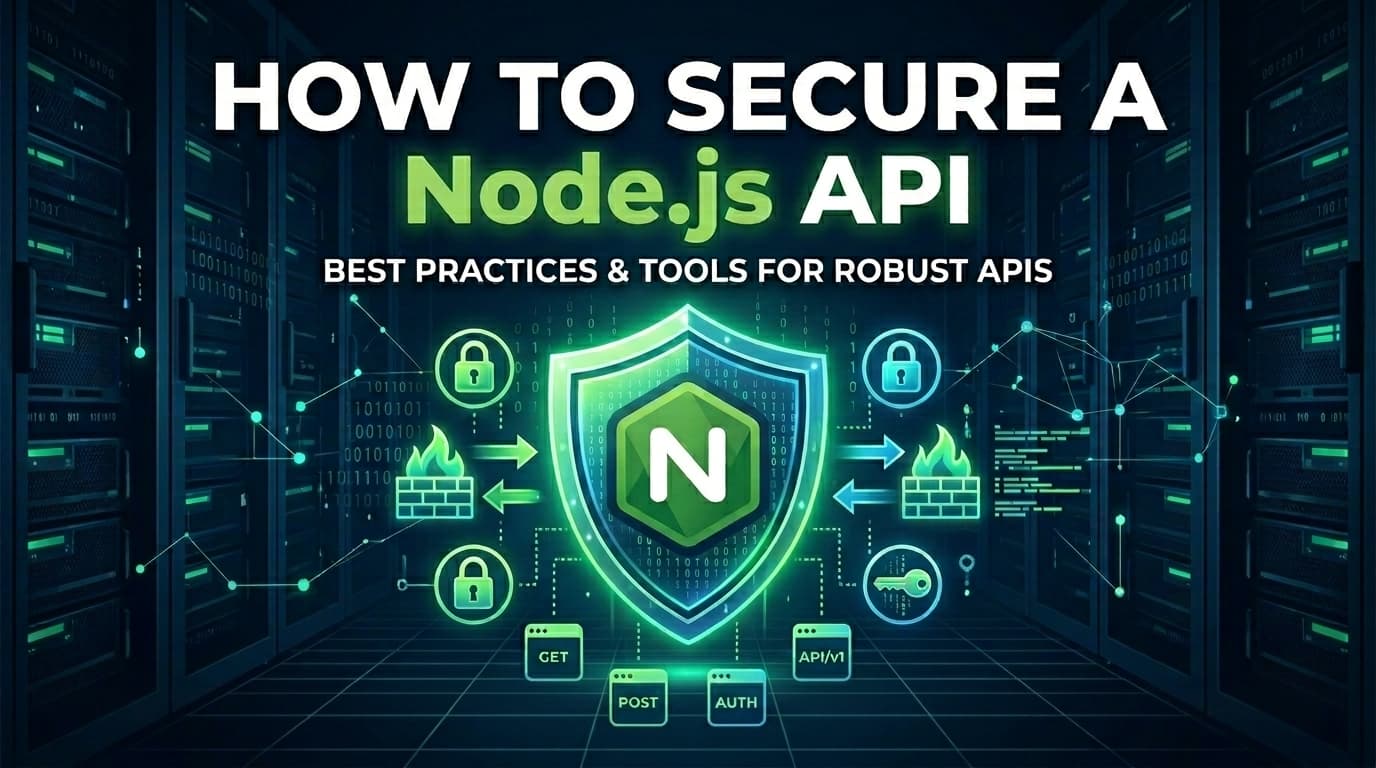
Most Node.js APIs get built fast. They get secured… later. This guide makes "later" happen right now — with practical, production-ready patterns for every layer of your API.
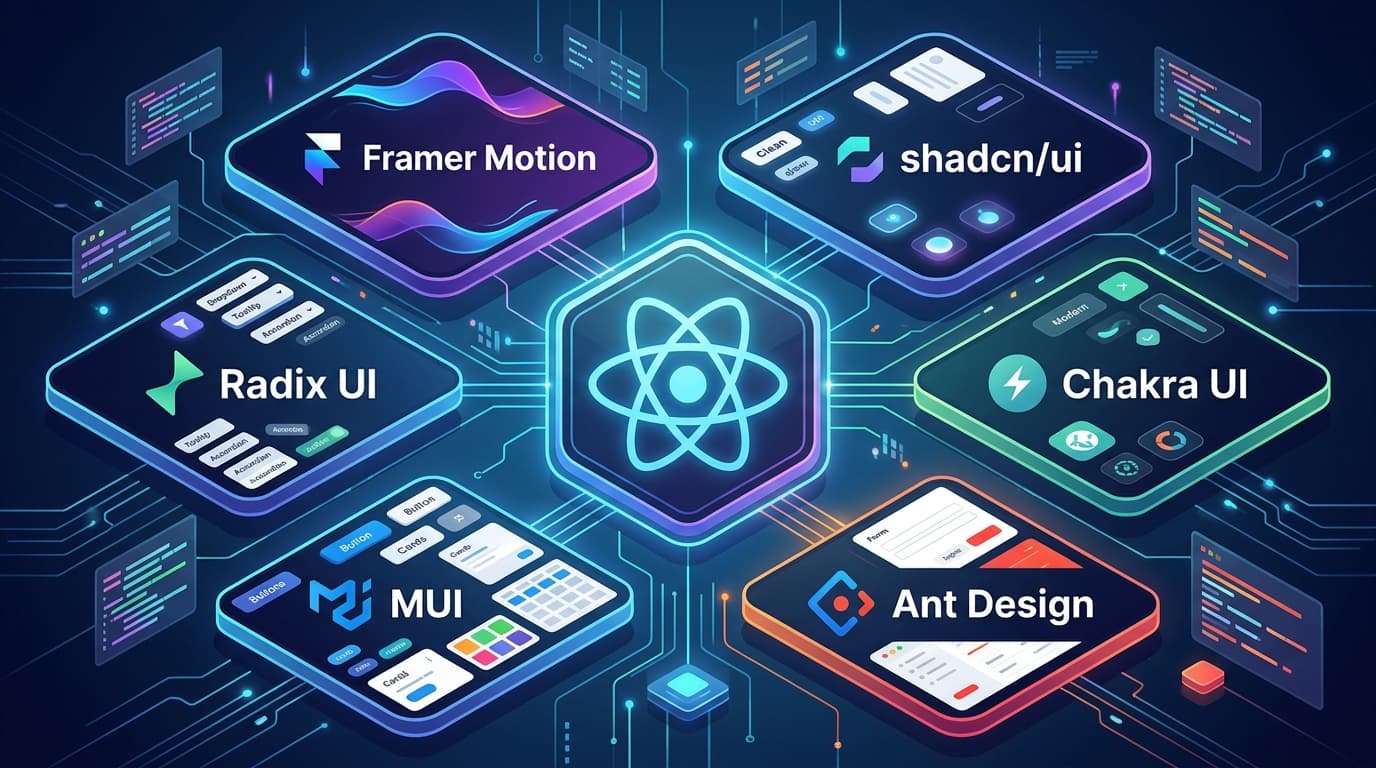
Picking a UI library is one of the most consequential decisions in a React project. Choose wrong and you'll spend months fighting the library instead of building your product. Choose right and it disappears into the background — quietly enabling everything.
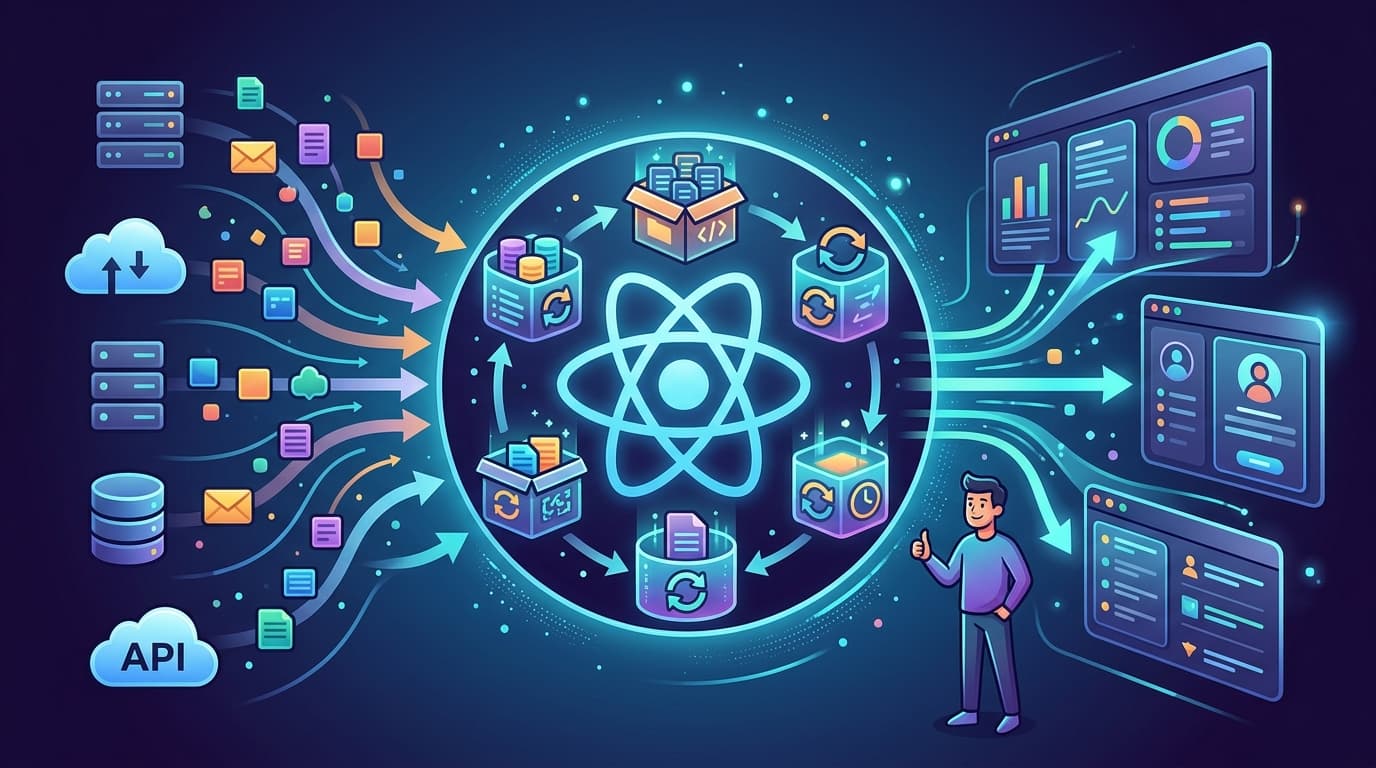
You've written the "useEffect". You've added the "useState" for loading, error, and data. You've handled the cleanup. You've done it a hundred times. There's a better way.
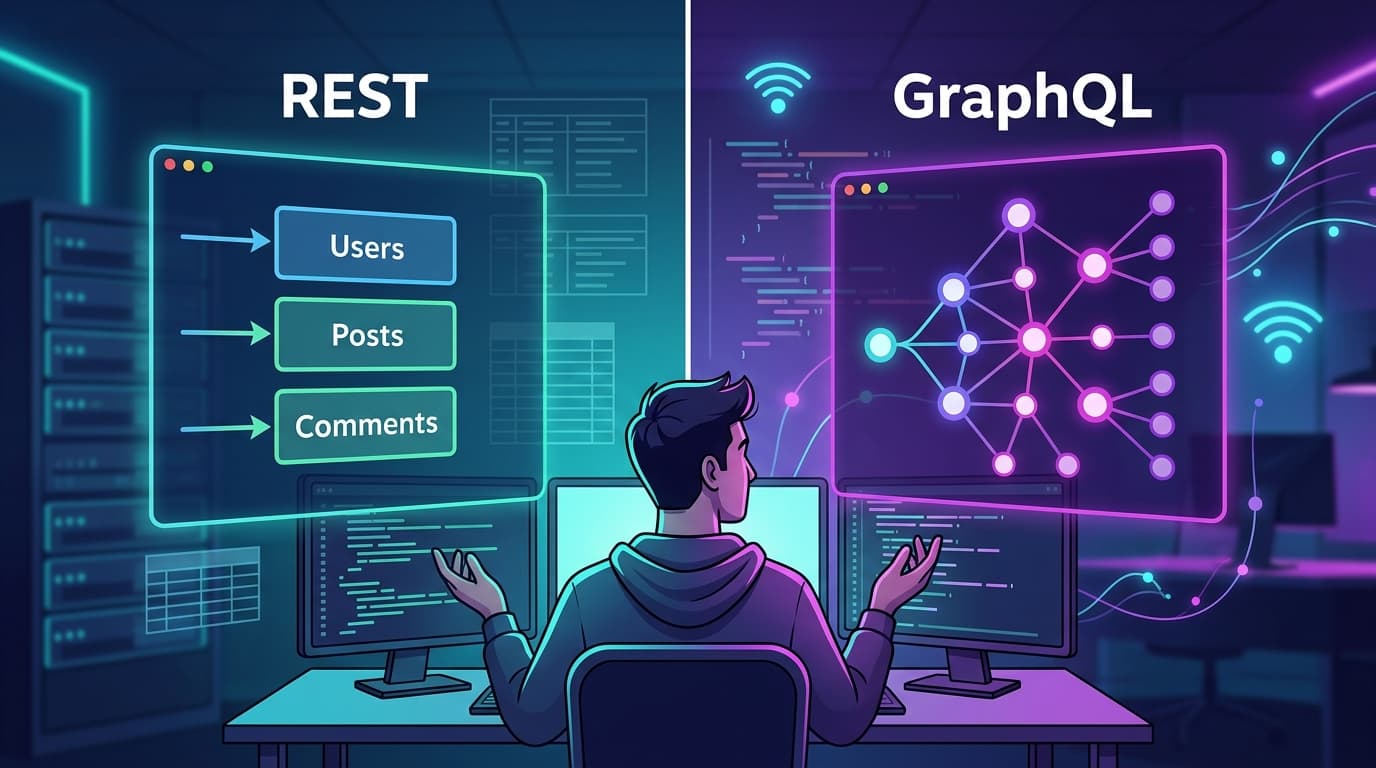
Two philosophies walk into a backend. One brings a menu. The other asks "what do you want?" — and then fetches exactly that.
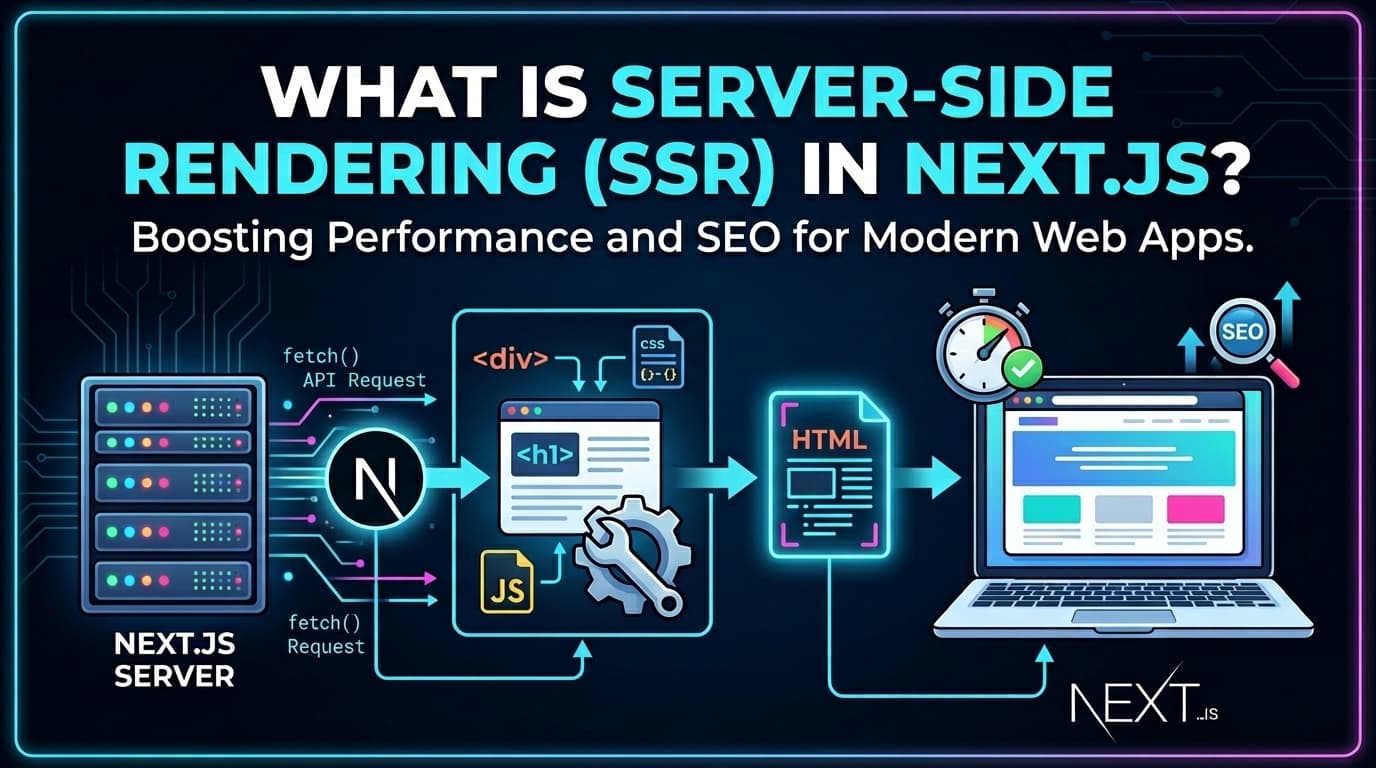
Your page loads. The user sees content instantly — no spinner, no layout shift, no waiting for JavaScript to hydrate. That's the promise of Server-Side Rendering, and Next.js makes it remarkably approachable.
For decades, humanoid robots existed mainly in research labs, sci-fi movies, and experimental prototypes. Today, that narrative is rapidly changing. A new wave of physical AI-powered humanoid robots is transitioning from controlled testing environments into real-world industrial and logistics operations.
What if an AI model knew everything about medicine — and nothing about celebrity gossip? That trade-off might be exactly what the future of trustworthy AI looks like.
Everything protecting your data on the internet today — your passwords, your bank transactions, your private messages — was built on a mathematical assumption. Quantum computers are about to make that assumption wrong.
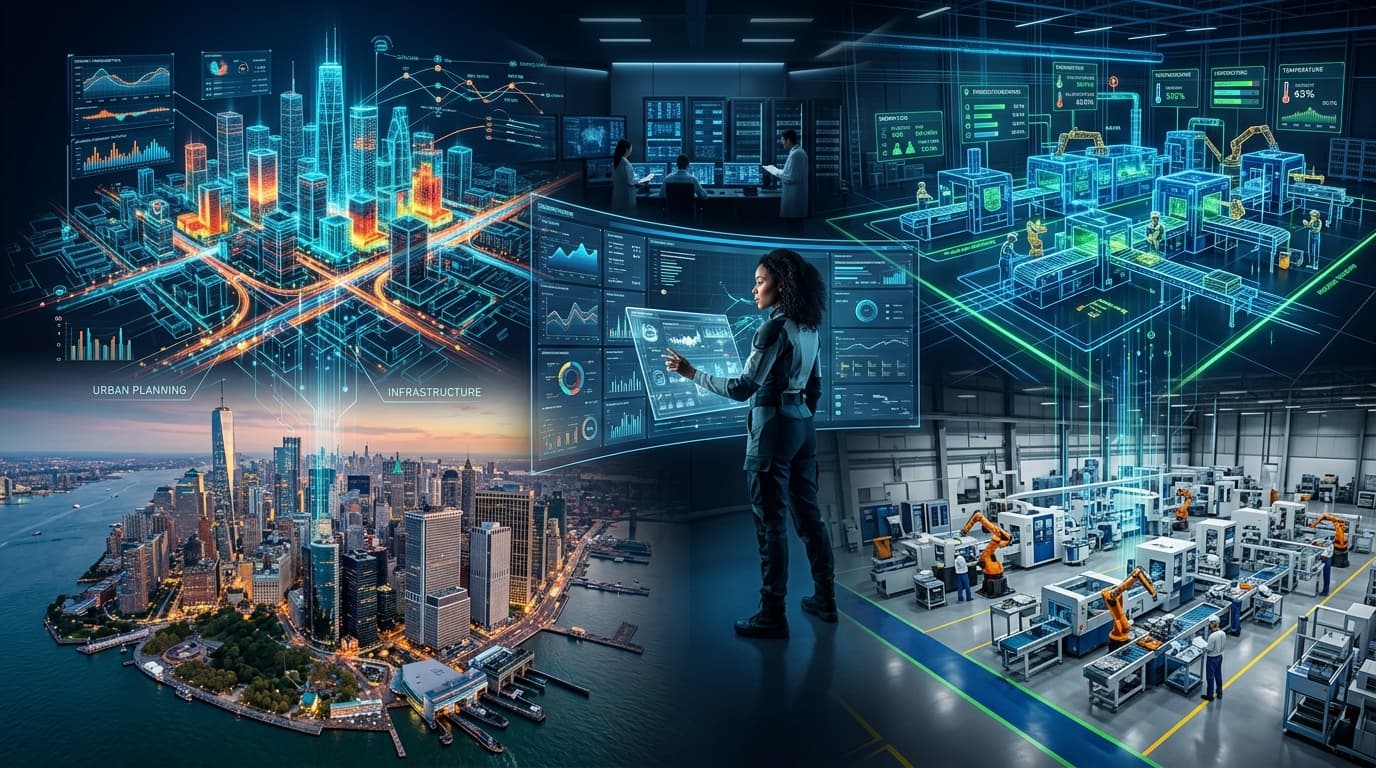
What if you could test a critical decision — redesign a factory floor, simulate a patient's surgery, stress-test a city's power grid — without risking a single real-world consequence? That is not a hypothetical. It is already happening.
The average attacker spends 207 days inside a compromised network before being detected. Traditional security is not slow — it is blind. Adaptive cybersecurity is the first serious answer to that problem.
A single AI model answering a question is impressive. A network of AI agents collaborating, delegating, debating, and executing across an entire workflow — that is something categorically different. That is the architecture reshaping how software gets built.
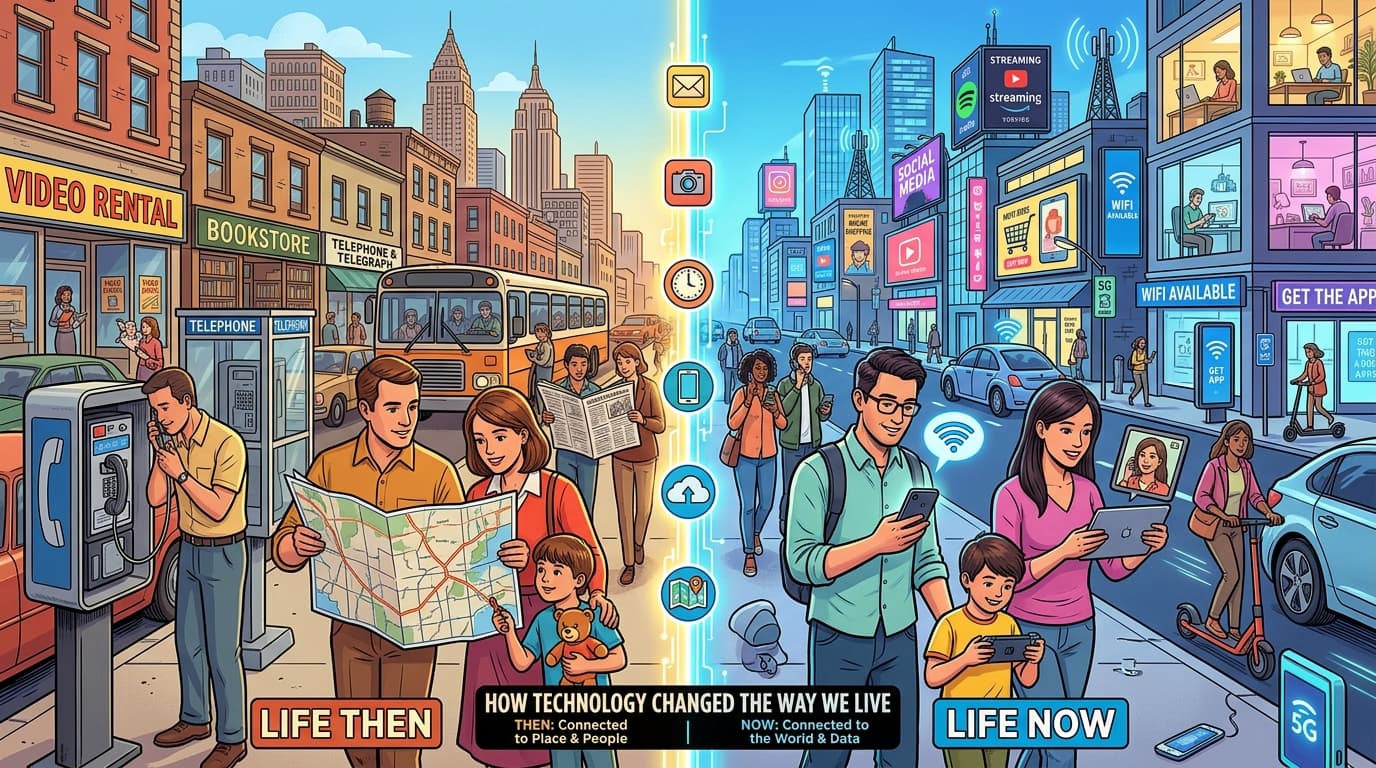
The most profound technological shifts are not the ones that change what we can do — they are the ones that change who we are, how we relate, and what we expect from everyday life.
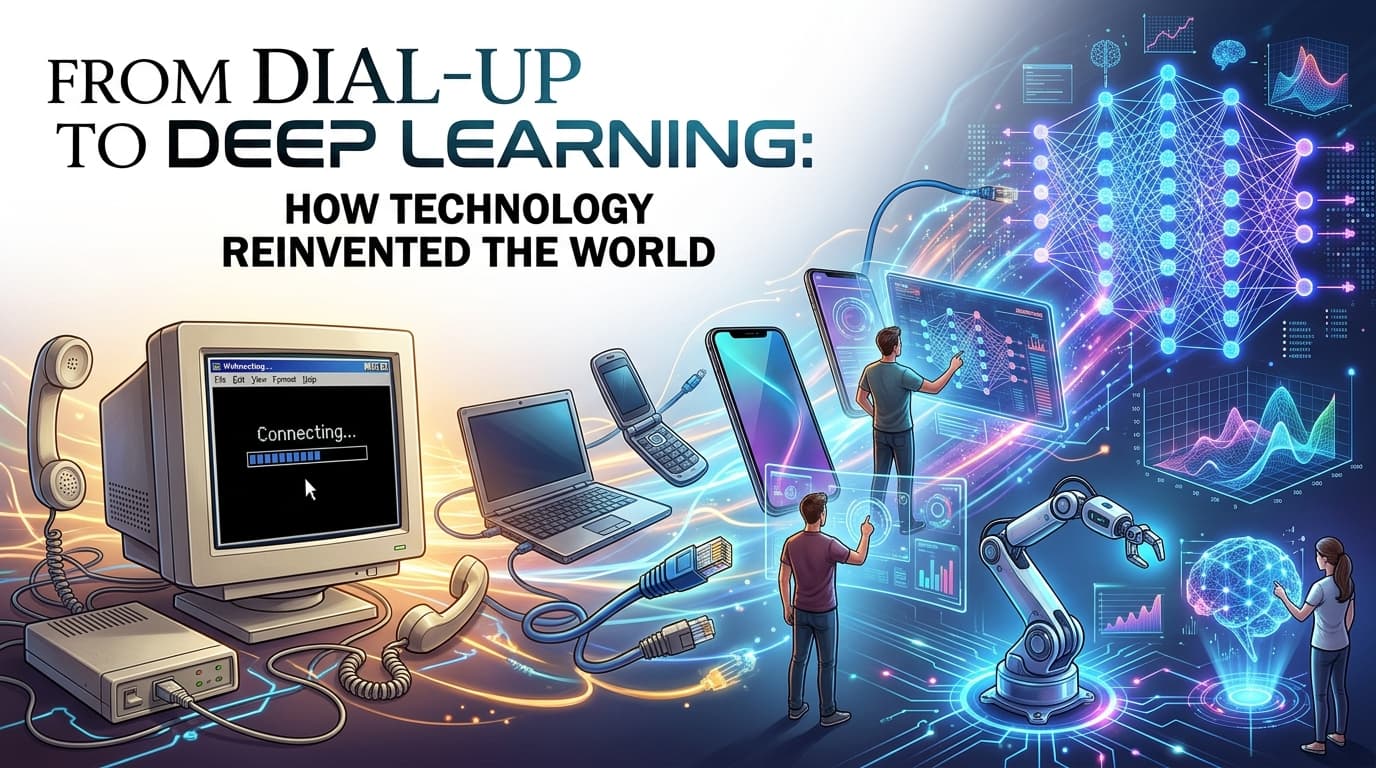
The 21st century compressed centuries of technological change into two decades. What started as blinking cursors on slow connections became the architecture of civilization itself.